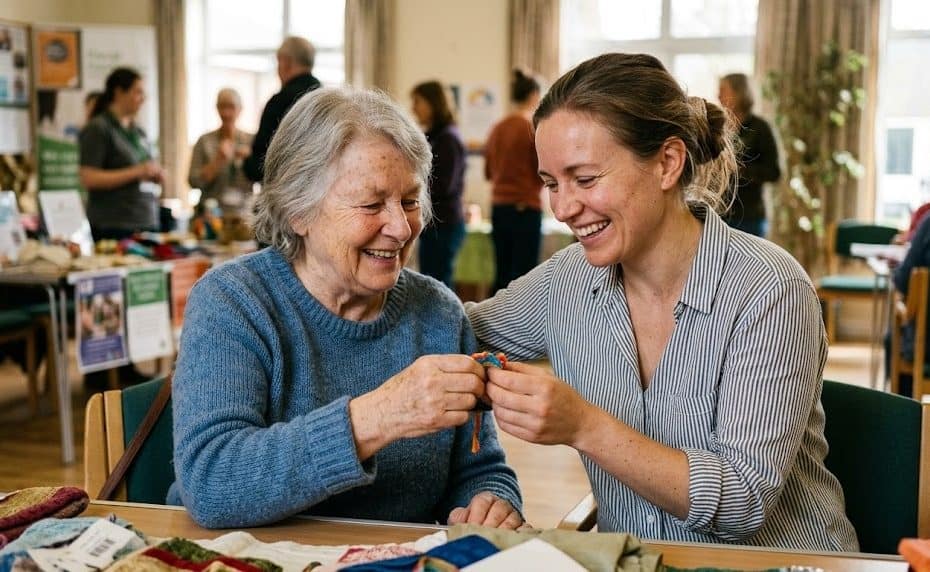
Human beings are naturally social creatures. Throughout history, communities have survived and thrived because people supported one another in times of need. Whether it is donating to charity, volunteering at a local shelter, mentoring someone, or simply helping a friend through a difficult moment, acts of kindness often leave people feeling happier, calmer, and more fulfilled.
But why does helping others feel so good?
Modern psychology and neuroscience suggest that generosity does far more than benefit the recipient. Helping others can improve mental wellbeing, strengthen social bonds, reduce stress, and even increase a person’s sense of purpose in life. Researchers have found that charitable behavior activates reward centers in the brain, boosts positive emotions, and contributes to long-term life satisfaction.
In a world where stress, loneliness, and anxiety are increasingly common, helping others may be one of the most powerful — and accessible — ways to improve emotional health.
The Psychology Behind Helping Others
At its core, helping behavior is known as “prosocial behavior” in psychology. Prosocial actions include donating money, volunteering time, offering emotional support, or performing acts of kindness without expecting anything in return.
When people engage in these behaviors, the brain releases chemicals associated with pleasure and connection, including dopamine, oxytocin, and endorphins. This neurological response is often referred to as the “helper’s high.” Researchers have linked this phenomenon to increased happiness and reduced feelings of stress and isolation.
Helping others also satisfies several basic psychological needs:
- The need for connection
- The need for meaning
- The need for competence
- The desire to contribute to something larger than oneself
When these needs are fulfilled, people tend to experience greater emotional balance and overall wellbeing.
How Giving Improves Happiness
One of the most consistent findings in positive psychology is that generosity increases happiness.
A study published in the Journal of Behavioral and Experimental Economics found that volunteering significantly improves subjective wellbeing. Researchers discovered that people who engaged in voluntary activities reported greater life satisfaction and more positive emotions.
Interestingly, the emotional benefits of giving are not limited to large charitable acts. Even small gestures — buying someone coffee, donating a few dollars, or helping a neighbor — can create measurable improvements in mood.
Research highlighted by psychologists such as Michael Norton from Harvard Business School shows that spending money on others often creates more happiness than spending money on oneself.
This may seem surprising at first. Many people assume happiness comes primarily from personal success, possessions, or comfort. Yet studies repeatedly suggest that experiences involving generosity and human connection produce deeper and more lasting emotional rewards.
The “Helper’s High”
The term “helper’s high” describes the uplifting emotional state many people experience after helping someone else. Similar to the effects of exercise, acts of kindness can trigger the release of feel-good brain chemicals.
People often describe this feeling as:
- Warmth
- Calmness
- Increased energy
- Emotional satisfaction
- Reduced anxiety
Scientific reviews have linked helping behavior with lower rates of depression and increased psychological resilience.
Even everyday helping behavior can positively affect mood. A recent study in Scientific Reports found that people consistently reported better mood after helping others, regardless of how much effort the helping required.
Volunteering and Mental Wellbeing
Volunteering is one of the clearest examples of how helping others improves mental health.
People who volunteer often report:
- Lower stress levels
- Greater life satisfaction
- Improved self-esteem
- Stronger social relationships
- Reduced feelings of loneliness
Large-scale reviews examining volunteerism have concluded that volunteering is associated with better mental and physical health outcomes.
One major reason volunteering feels rewarding is that it creates structure and meaning. Many people struggle with feelings of emptiness or disconnection, especially during periods of transition such as retirement, grief, unemployment, or social isolation. Volunteering can provide purpose, routine, and a sense of contribution.
Volunteering and Purpose
Purpose is a critical ingredient of psychological wellbeing. People who feel their lives have meaning tend to experience better emotional health and greater resilience during stressful periods.
Helping others reinforces the belief that one’s actions matter.
For example, volunteers who mentor children, support elderly individuals, or participate in community projects often witness the direct impact of their efforts. Seeing positive change in another person’s life creates a sense of accomplishment and significance that many people find deeply fulfilling.
Research on volunteering and psychosocial wellbeing has found connections between volunteer work and increased purpose in life, gratitude, and relational wellbeing.
Helping Others Strengthens Social Connection
Human connection is essential for emotional health. Loneliness has been associated with anxiety, depression, and reduced life satisfaction. Acts of generosity often strengthen social bonds and help people feel connected to a community.
When people help others, they frequently:
- Meet new people
- Build trust
- Deepen friendships
- Feel more socially valued
- Develop stronger empathy
This sense of belonging can significantly improve mental wellbeing.
Research consistently shows that social connection is one of the strongest predictors of happiness. Studies examining friendship networks and emotional wellbeing suggest that people with stronger social relationships generally experience greater emotional stability and satisfaction with life.
Helping behavior naturally encourages these connections.
For example:
- Volunteering at a food bank introduces people to shared community goals.
- Supporting a charity fundraiser creates teamwork and social interaction.
- Mentoring or teaching fosters meaningful personal relationships.
In many cases, the social experience itself becomes as rewarding as the act of giving.
A large public wellbeing study discussed on Reddit found that helping others, frequent social interaction, and community engagement were strongly associated with better mental health outcomes.
Donating to Causes Creates Meaning
Financial donations are another powerful form of helping behavior. Although donating money may appear less personal than volunteering, research suggests it can still create significant emotional benefits.
People often feel happier when they donate because giving reinforces personal values and identity. Supporting causes related to education, healthcare, animal welfare, environmental protection, or humanitarian aid allows individuals to express compassion and contribute to positive change.
Donating can also create a sense of agency. In a world where many problems feel overwhelming, giving provides a concrete way to make a difference.
Psychologists note that charitable giving becomes especially meaningful when donors feel emotionally connected to a cause. This emotional alignment increases feelings of satisfaction and purpose.
Importantly, the emotional benefit does not depend on the amount donated. Even small acts of generosity can increase happiness when they feel intentional and meaningful.
Helping Others Reduces Stress and Depression
Acts of kindness may also protect mental health by reducing stress and depressive symptoms.
When people focus entirely on their own worries, problems can feel overwhelming. Helping others shifts attention outward and creates perspective. This does not eliminate personal struggles, but it can reduce rumination and feelings of helplessness.
Several studies have linked volunteerism and charitable behavior with:
- Lower depression rates
- Reduced loneliness
- Better emotional regulation
- Increased resilience to stress
A systematic review in BMC Public Health found evidence that volunteering is associated with improved wellbeing and reduced mortality risk.
Researchers have also explored biological pathways connecting helping behavior with health. Some findings suggest volunteering may buffer the effects of chronic stress and inflammation.
Helping behavior may be particularly beneficial during difficult periods of life because it restores feelings of usefulness and social connection.
The Importance of Balance
Although helping others is beneficial, balance matters.
People sometimes experience emotional exhaustion when they overextend themselves or neglect their own needs. Compassion fatigue and burnout can occur when caregiving becomes overwhelming or emotionally draining.
Healthy helping involves:
- Setting boundaries
- Maintaining self-care
- Choosing sustainable commitments
- Recognizing personal limits
Research emphasizes that helping behavior is most beneficial when it feels voluntary, meaningful, and balanced rather than obligatory or emotionally overwhelming.
The goal is not self-sacrifice at all costs. Instead, the healthiest form of generosity supports both the giver and the receiver.
Why Kindness Creates Long-Term Fulfillment
Short-term pleasure and long-term fulfillment are not always the same thing.
Many experiences provide temporary enjoyment, but helping others often contributes to deeper life satisfaction because it connects people to meaning, relationships, and shared humanity.
Acts of generosity remind people that they are part of something bigger than themselves. This perspective can create emotional stability during difficult times and contribute to a stronger sense of identity and purpose.
Researchers in positive psychology often distinguish between:
- Hedonic happiness (pleasure and comfort)
- Eudaimonic happiness (meaning and purpose)
Helping others strongly supports eudaimonic wellbeing — the kind associated with lasting fulfillment and psychological resilience.
People frequently report that some of their most meaningful life experiences involve:
- Supporting loved ones
- Raising children
- Serving communities
- Donating to important causes
- Helping someone through hardship
These experiences create emotional memories tied to connection, compassion, and purpose.
Small Ways to Help Others Every Day
Helping others does not require large donations or dramatic life changes. Small acts of kindness can have powerful emotional effects for both the giver and receiver.
Simple ways to help include:
- Checking in on a friend
- Donating to a local charity
- Volunteering a few hours each month
- Supporting community events
- Mentoring someone
- Offering encouragement
- Helping neighbors
- Sharing resources or knowledge
- Listening compassionately
Even brief positive interactions can strengthen emotional wellbeing and social connection.
Research on kindness interventions has shown that repeated acts of kindness can significantly improve happiness over time.
Helping Others Across Different Stages of Life
The emotional benefits of helping others appear across all age groups.
Young Adults
For younger people, volunteering and activism often provide identity, confidence, and social belonging. Community engagement can strengthen self-esteem and encourage emotional growth.
Middle Age
Adults balancing careers and family responsibilities may find meaning and perspective through charitable involvement. Helping others can reduce feelings of burnout by reconnecting people with personal values.
Older Adults
Research has shown that volunteering can be especially valuable for older adults by reducing loneliness and increasing purpose after retirement. Studies suggest that older volunteers often experience improved wellbeing and stronger social engagement.
Across every stage of life, generosity appears closely tied to emotional resilience and social wellbeing.
Conclusion
Helping others feels good because human beings are deeply wired for connection, compassion, and cooperation. Acts of generosity activate reward systems in the brain, strengthen social relationships, reduce stress, and create a sense of meaning that contributes to long-term happiness.
Scientific research continues to show that donating, volunteering, and supporting others are associated with improved emotional wellbeing, stronger mental health, and greater life satisfaction.
In many ways, kindness benefits everyone involved.
The person receiving help gains support, comfort, or opportunity. But the person offering help often gains something equally valuable: purpose, connection, and the deeply human feeling of knowing their actions matter.
That may be why even the smallest act of kindness can leave such a lasting emotional impact.